
Select a portable inverter generator by use case and form factor: size, weight, noise, runtime, THD and parallel capability, with supplier verification fields.
In this guide6 sections
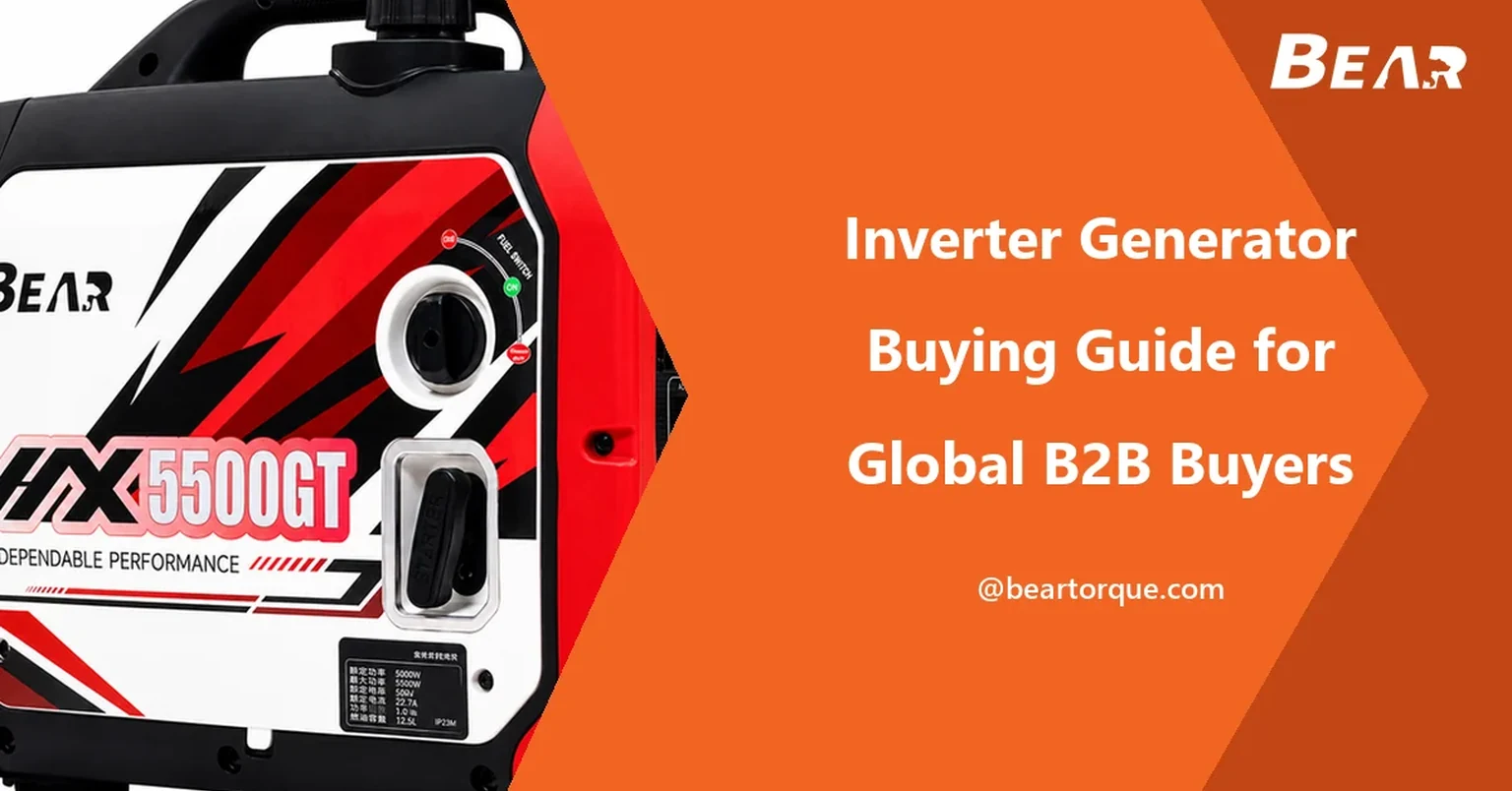
Shortlist a portable inverter generator from the load profile, handling limits, acceptable noise and required runtime. Verify those figures, total harmonic distortion (THD) and any parallel-kit claim for the exact model before choosing it. Use the inverter generator buying guide first if the choice between inverter and conventional designs is still open.
Start from the use case, not the wattage
A headline wattage tells you little about fit. Begin with how and where the set is used — RV and outdoor, mobile trade, event power, small-site backup or resale channel — because that decides the acceptable size, weight, noise and refuelling interval. Only then match a load profile and a form factor to it.

Match form factor to handling and portability
Confirm the real handling properties, not just the marketing name. Weight, handle or wheel design, and dimensions decide whether one person can move and store the set. For resale channels, packaged size and weight also affect freight and shelf fit. Record these as measured values from the spec sheet.
Verify noise and runtime before you trust them
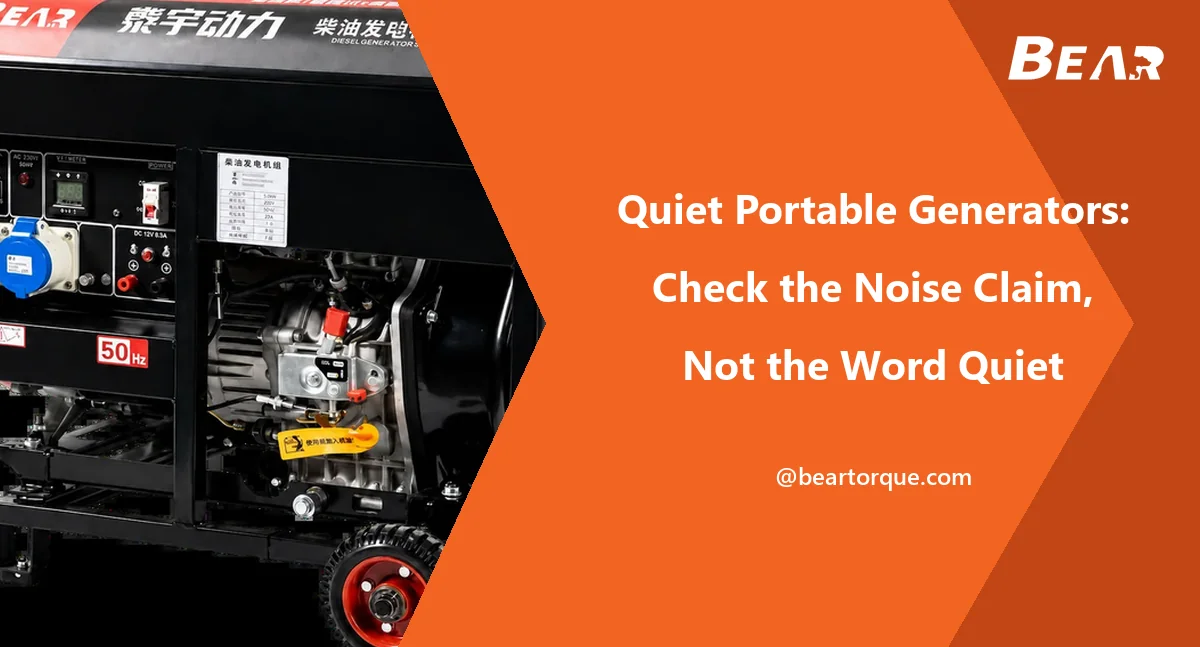
Compare noise only with its acoustic quantity, test distance and load stated. Compare runtime with its tank size, load point and operating mode; figures with different conditions do not support a like-for-like shortlist.

Total harmonic distortion (THD) matters for sensitive electronics; treat a low THD claim as a figure to confirm on its test basis, and cross-check against the UPS, VFD and non-linear loads guide when the customer runs sensitive equipment. Compare output on rated, not peak, using the rated versus peak guide.
Check parallel capability and outlets
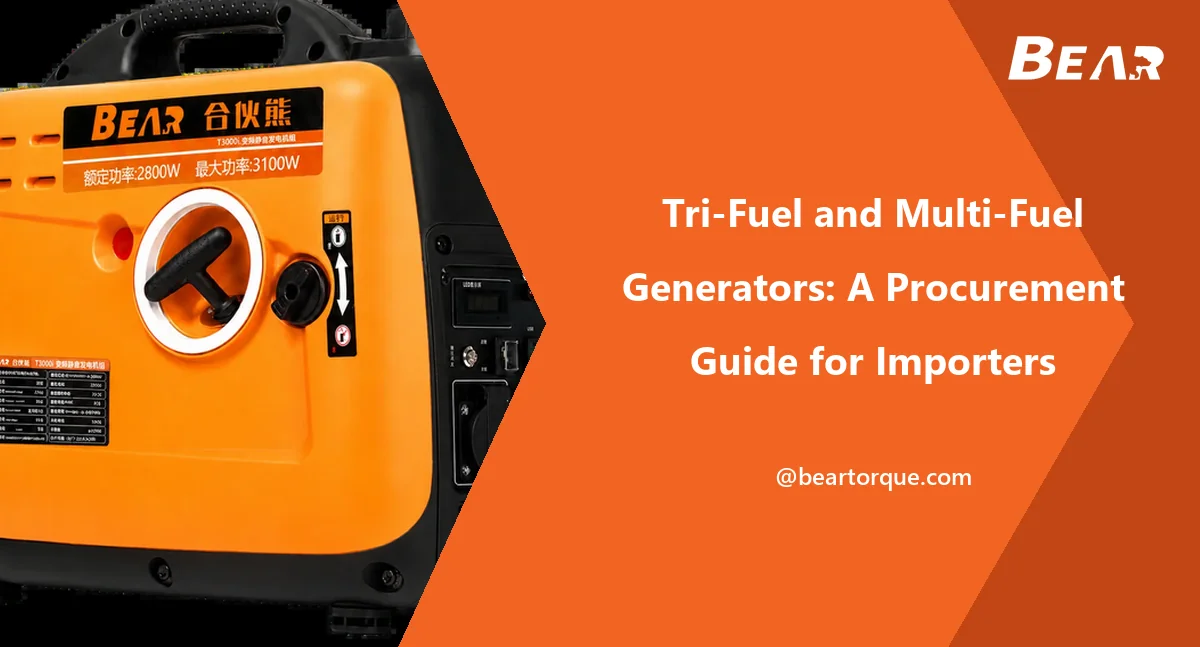
Many portable inverter buyers expect to parallel two units for more power. Confirm the parallel kit is compatible with the exact model and that the combined output and outlets suit the load. Outlet types must match the destination — see the outlets, receptacles and plugs guide.
Turn the form-factor brief into supplier verification fields
Send the shortlist criteria with the load profile, destination and quantity. Require one model-specific return containing the values, test conditions and supporting documents listed below.

Ask the supplier to confirm, per model:
- Rated and peak output, and the rating basis.
- THD figure and the test basis behind it.
- Noise value with its test distance and load.
- Runtime with its tank size and load point.
- Parallel kit compatibility and combined output.
- Outlet types and count for the destination.
- Altitude and temperature derating for the destination site.
Destination supply follows the voltage and frequency checklist.
Common mistakes to avoid
- Selecting on headline wattage instead of the use case and form factor.
- Accepting a decibel or runtime figure without its test conditions.
- Assuming any two units can be paralleled without a compatible kit.
- Overlooking destination outlet types and derating.
- Treating a low THD claim as proven without its test basis.
Send your use case, load profile and destination to request a quotation. BEAR confirms the exact model's ratings, noise and runtime basis, parallel compatibility and outlets per order; figures are verified for the quoted build rather than assumed from this guide.